
Furnace Installation Cost: Equipment and Home Factors
Learn what shapes furnace installation cost in Ontario, including sizing, efficiency, venting, ductwork, access, labour and quote inclusions.
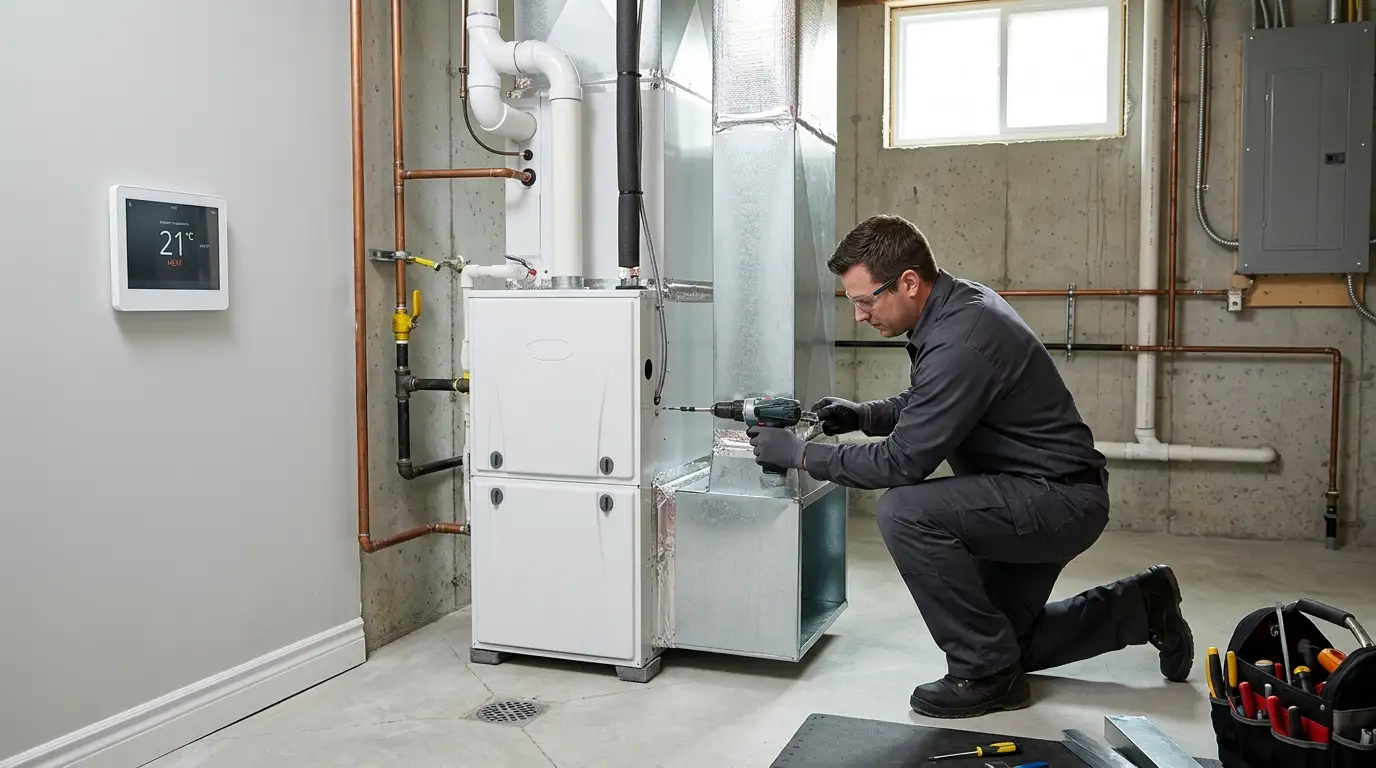
Furnace installation cost depends on much more than the price of the furnace itself. The final estimate can change with the equipment type, heating capacity, efficiency rating, venting, ductwork, gas and electrical connections, access to the mechanical room, removal of the old unit, permits and other work needed to make the system operate safely.
That is why two homes with similar floor areas can receive different installation estimates. One may need a straightforward replacement using compatible connections, while the other may require duct modifications, a different venting arrangement, drainage work or electrical changes. A useful quote should separate the equipment from the labour and identify the work included, the work that may be required and the items excluded from the price.
National cost guides can help explain the variables, but they should not be treated as a dependable local average. Prices published for the United States may use different labour markets, equipment availability, permit assumptions and code requirements. The most reliable way to understand your own furnace installation cost is to compare detailed estimates based on an assessment of the home and existing heating system.
For a related next step, read furnace installation Mississauga.
What Furnace Installation Cost Usually Covers
A complete furnace replacement estimate commonly includes several parts of the project rather than one isolated product price. The exact scope varies, but a professional quote may identify:
- The furnace model, fuel type, efficiency rating and heating capacity
- Delivery and positioning of the new equipment
- Removal and disposal of the existing furnace
- Connection to the existing supply and return air system
- Gas, electrical, venting and condensate connections that are compatible with the new unit
- Required startup, testing and adjustment
- Labour associated with the standard replacement
- Applicable permit or inspection items, when included by the contractor
These line items do not automatically mean every possible condition is covered. A quote may assume that the existing venting, gas line, electrical circuit, drain and duct transitions are suitable. If an installer finds that one of those components is unsafe, incompatible or incorrectly sized, additional work may be needed.
Ask whether the estimate is for a like-for-like replacement or a system change. A furnace with a different efficiency level, cabinet size or venting design may require more than reconnecting the same pipes and ducts. The wording should also clarify whether taxes, disposal, permits, accessories and any required corrections are included.
The Main Factors That Change the Estimate
Furnace Type and Fuel
Gas and electric furnaces do not have the same installation requirements. A gas furnace involves combustion, fuel piping, venting, exhaust management and safety controls. An electric furnace may require different electrical capacity and wiring, depending on its output and the home’s existing service.
Even within gas equipment, installation details can vary between models. The venting method, condensate drainage, cabinet dimensions and connection locations may not match the old furnace. The equipment choice should be assessed together with the home’s existing infrastructure rather than priced as a standalone box.
Heating Capacity and Proper Sizing
Furnace capacity is one of the most important equipment decisions, but it should not be selected from floor area alone. A qualified contractor should consider the home’s heating load, insulation, windows, air leakage, layout, climate exposure and existing distribution system.
An oversized furnace may reach the thermostat setting quickly and cycle more often than intended. That can affect comfort and operating behaviour. An undersized furnace may struggle during colder conditions. A sound installation discussion should explain how the recommended capacity was determined and whether the existing ductwork can distribute the required airflow.
ENERGY STAR describes proper sizing using Manual J and emphasizes matching the equipment with the rest of the HVAC system. Its guidance on furnace criteria is useful when comparing efficiency and equipment specifications, but the qualifying requirements and product details should still be checked for the specific model. ENERGY STAR furnace criteria explains AFUE and related furnace considerations.
Efficiency Rating and AFUE
AFUE, or annual fuel utilization efficiency, is the standard measure used to describe how efficiently a gas furnace converts fuel into heat over a typical heating season. A higher rating can affect the equipment price and may also change the venting, drainage and installation requirements.
It is not enough to compare the AFUE number by itself. Consider the equipment cost, installation changes, expected operating pattern, home insulation, thermostat controls and the length of time you expect to remain in the property. The most efficient option is not automatically the best choice if the home requires substantial alterations or if the proposed system is not properly matched to the ductwork.
Existing Ductwork and Air Distribution
The furnace is only one part of a forced-air heating system. Supply ducts, return air paths, grilles, filters and dampers all affect how well heat reaches the rooms. An installation may expose problems such as restricted return air, damaged ducts, poor transitions, undersized connections or leakage.
Some duct conditions can be corrected during a standard replacement. Others may require additional fabrication or work in areas that are difficult to access. Ask the contractor to identify whether the existing duct system is being reused as-is, modified in specific locations or tested and improved as part of the installation.
A new furnace cannot compensate fully for an air distribution problem. If some rooms have always been too cold or airflow is weak at several registers, mention that before the estimate is prepared. Those symptoms may affect the recommended scope.
Venting, Gas Supply and Combustion Air
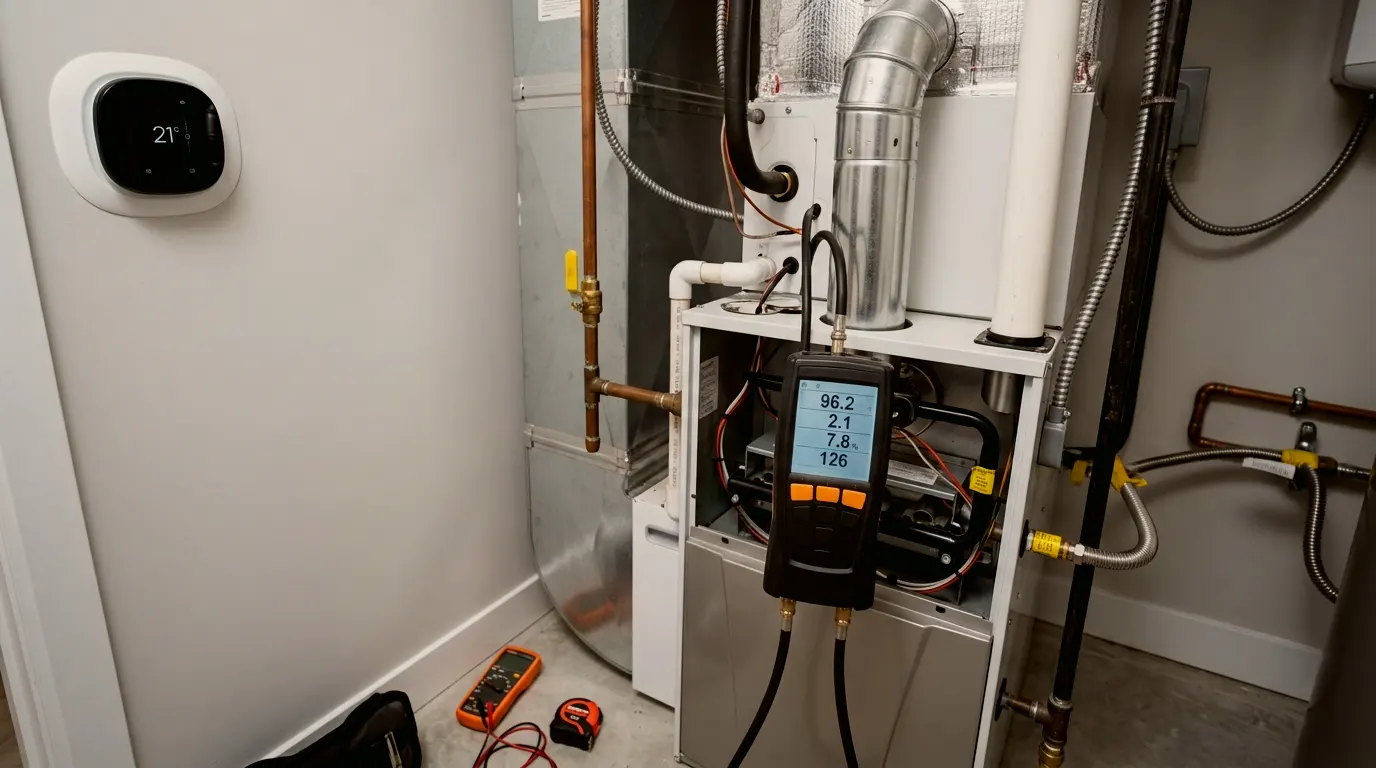
Gas furnace installation can involve more than connecting a new appliance to an existing gas line. The fuel supply, shutoff arrangement, venting, combustion air and exhaust route must be suitable for the equipment and the installation conditions.
A high-efficiency gas furnace may use a different venting arrangement from an older conventional unit. The route, termination location and condensate drainage may need to be considered. If an older vent or flue is not compatible with the new furnace, the estimate should state what replacement or modification is proposed.
Do not treat fuel piping, combustion adjustments or venting changes as homeowner DIY work. In Ontario, TSSA states that fuels contractors must be registered and that regulated fuel work must be completed by appropriately qualified personnel. TSSA contractor registration information and its fuels contractor guidance provide current information about registration and certification requirements.
Access, Layout and Removal
The physical route from the entrance to the furnace location affects labour. A unit in an open utility room may be easier to remove and replace than one in a tight attic, crawlspace, closet or basement area with narrow stairs. The installer may need to protect finished surfaces, dismantle part of the access route or bring equipment through a constrained opening.
The surrounding layout also matters. A new furnace may have a different cabinet depth or connection position. If the existing plenum, return transition or service clearance does not fit the replacement, sheet metal modifications may be necessary.
Old-equipment removal can be included or excluded. Confirm whether the contractor will disconnect, carry out and dispose of the existing furnace, and whether unusual access conditions change that part of the estimate.
Electrical and Condensate Requirements
Most modern furnaces require electrical power for controls, the blower and safety components. A replacement may use the existing circuit, but that should be verified rather than assumed. Wiring, switches, receptacles, grounding and service access may need attention if the current arrangement is damaged, inaccessible or unsuitable.
Some high-efficiency furnaces produce condensate that must drain properly. The installation may require a drain connection, trap, pump or other arrangement depending on the furnace location and the available plumbing. A quote should explain whether condensate disposal is included and what happens if the existing drain is not usable.
Standard Work Versus Possible Additional Work
Comparing these two categories can make furnace installation cost much easier to understand. Standard work usually refers to the expected labour and materials for replacing the existing unit under suitable conditions. Additional work covers changes required because the new equipment, the home or the existing system creates a different scope.
| Often included in standard replacement work | May be an additional charge |
|---|---|
| Removal of the old furnace | Unusual removal or difficult access |
| Positioning and connecting the replacement | Major duct redesign or multiple custom transitions |
| Routine startup and operating checks | Correction of unsafe or incompatible venting |
| Connection to suitable existing services | Gas piping, electrical or drainage changes |
| Basic sheet metal adjustments | Extensive air distribution or structural work |
| Disposal when stated in the quote | Permit, inspection or code-related corrections when excluded |
The table is a comparison framework, not a guarantee of what any particular contractor includes. Read the scope line by line. The important question is not whether an estimate uses the phrase “full installation,” but what that phrase means in writing.
Why Two Furnace Quotes Can Be Different
Different totals do not automatically mean that one contractor is overcharging. The contractors may be recommending different capacities, efficiency levels, brands, venting methods or levels of duct modification. One quote may include removal and permits while another leaves them as allowances or exclusions.
Scope differences can also hide behind similar equipment descriptions. For example, one estimate may include a new transition and condensate pump, while another assumes that the old connections can be reused. One may include commissioning and airflow checks, while another lists only delivery and installation.
Ask each contractor to identify the following:
- Exact equipment model and proposed heating capacity
- AFUE or applicable efficiency information
- What parts of the existing ductwork will remain unchanged
- Whether venting, gas, electrical and condensate connections are included
- Whether old-equipment removal and disposal are included
- Which permits, inspections or compliance items are included
- What conditions could create an additional charge
- What is excluded from the quoted price
- What testing and startup procedure is included
A low quote becomes difficult to evaluate when it does not state these items. The missing work may appear later as a change order, or the equipment may not be matched properly to the home. A higher quote may include a broader and more transparent scope, but it still deserves review rather than automatic acceptance.
Information to Gather Before Requesting an Estimate
You can make the assessment more useful by preparing information about the existing system and the home. This does not replace an on-site evaluation, but it helps the contractor understand the project before arriving.
- Photographs of the furnace, surrounding connections and access route
- The existing furnace model and serial number, if the labels are readable
- The fuel type and any known history of repairs or performance problems
- Rooms that are consistently too cold or have weak airflow
- Unusual noises, short cycling, ignition problems or thermostat issues
- Whether the furnace shares ductwork with central air conditioning
- Any renovations, additions or insulation changes since the current furnace was installed
- Known drainage, venting, electrical or gas-supply concerns
- Access limitations such as narrow stairs, low ceilings or restricted doors
- Your preferred thermostat features and any plans to change other HVAC equipment
Do not remove panels or disturb gas, electrical or venting connections to collect this information. A photo taken from a safe position and the information visible on the equipment label are generally more useful than an invasive inspection.
Questions About Efficiency, Rebates and Operating Cost
A higher-efficiency furnace may reduce fuel use under suitable operating conditions, but the actual result depends on the home, thermostat settings, maintenance, duct performance and how the system is sized. Ask the contractor to explain the expected tradeoff between equipment cost and operating efficiency without relying on an unsupported savings promise.
Rebates and incentive programs change over time and may depend on equipment eligibility, installation date, contractor requirements, property details and application deadlines. They should not be deducted from furnace installation cost unless the current program rules have been verified for the specific home and equipment. A quote can list a potential incentive as an item to investigate, but it should not present an unverified rebate as guaranteed savings.
ENERGY STAR also discusses system sizing, matched components and duct performance in its guidance on clean heating and cooling. ENERGY STAR heating and cooling guidance can help homeowners understand why the furnace should be considered as part of the complete system rather than as an isolated appliance.
When a Furnace Replacement Needs Extra Care
Some conditions should prompt a more detailed assessment before you compare prices. Repeated carbon monoxide alarms, signs of damaged venting, a burning smell, visible scorching, gas odour, unusual combustion noise or repeated electrical breaker trips require attention before normal use continues. Turn the equipment off when appropriate, leave the area if there is an immediate danger and contact the relevant emergency or qualified professional service. Do not open combustion or electrical compartments to investigate.
An older furnace may also be connected to a chimney or venting system that is not suitable for a proposed replacement. A change in furnace design can affect exhaust and condensate requirements. The estimate should explain the proposed venting arrangement and identify any work needed to bring the installation into compliance.
If the home has an addition, substantial renovations, new insulation or persistent room-to-room temperature differences, ask whether the heating load and air distribution should be reassessed. Replacing the same capacity without considering those changes may preserve an old sizing problem.
Frequently Asked Questions
Can furnace installation cost be estimated from the equipment price alone?
No. Equipment is only one part of the project. Labour, removal, access, duct transitions, venting, gas and electrical connections, drainage, permits and required corrections can all affect the installed total. A product price may be useful for comparing models, but it is not a complete installation estimate.
Does a larger home always need a larger furnace?
No. Floor area is only one factor in heating-load calculations. Insulation, windows, air leakage, ceiling height, layout, orientation and duct design also matter. A qualified contractor should assess the home rather than choosing capacity from square footage alone.
Will existing ductwork always work with a new furnace?
Not always. The duct system may be reusable, but the furnace cabinet, airflow requirements and connection dimensions can differ. Restricted returns, undersized transitions, leaks or poor room balance may require correction. Ask the contractor to state which duct components are being reused and which are being changed.
Is furnace removal normally part of the installation price?
It may be, but confirm it in writing. Some estimates include disconnection, carrying out and disposal of the old unit. Others include only installation of the replacement or add a disposal charge based on access and equipment size.
Does a higher AFUE furnace always make financial sense?
Not necessarily. A higher AFUE rating can be valuable, but the decision also depends on the equipment premium, venting and drainage changes, expected usage, home condition and how long you expect to own the property. Compare the complete installed scope and ask how the equipment will interact with the existing system.
Should a homeowner arrange furnace gas connections?
No. Gas, combustion and venting work should be handled by appropriately registered and qualified professionals. TSSA requirements apply to regulated fuel work in Ontario, and the contractor should be able to explain how the work will be completed and documented.
Why does one quote include ductwork while another does not?
The contractors may have made different assumptions about the existing transitions, cabinet dimensions or airflow requirements. Ask both contractors to inspect and describe the same connection points. A quote that excludes duct changes may be lower because it assumes the current arrangement can be reused.
What is the best way to compare furnace installation quotes?
Compare the equipment model, capacity and efficiency, then compare the complete scope. Review labour, removal, disposal, venting, ductwork, gas and electrical connections, drainage, permits, testing, exclusions and possible additional charges. The clearest quote is usually easier to evaluate than the shortest one.
Building a Useful Installation Budget
The most practical furnace installation budget starts with a detailed assessment rather than a generic online average. Use published cost guides to learn which categories may appear in an estimate, but do not treat national figures as local pricing. The condition of the home, the compatibility of the existing system and the equipment selected will determine the actual scope.
Before approving the work, make sure the quote identifies the furnace model, heating capacity, AFUE, included labour, removal, connections, venting, duct changes, drainage, permits, testing and exclusions. Ask what conditions could change the price and whether those conditions have already been inspected.
A well-explained estimate gives you more than a total. It shows how the equipment fits the home, which work is necessary for a safe installation and where uncertainty remains. That information makes it possible to compare proposals on equal terms and choose a replacement based on suitability, transparency and long-term value rather than the headline number alone.
Need Appliance Repair?
Share the appliance, brand, address, symptoms and optional photos online. A contractor can review the request and contact you about availability and next steps.
Start Your Repair Request