Repair Guides

Appliance Repair Guides

Use these appliance repair guides to understand common symptoms, maintenance questions, error-code context, repair-cost factors and repair-or-replace decisions before you submit a service request. The guides are informational and do not replace an in-person diagnosis when the cause is uncertain or a safety concern is involved.

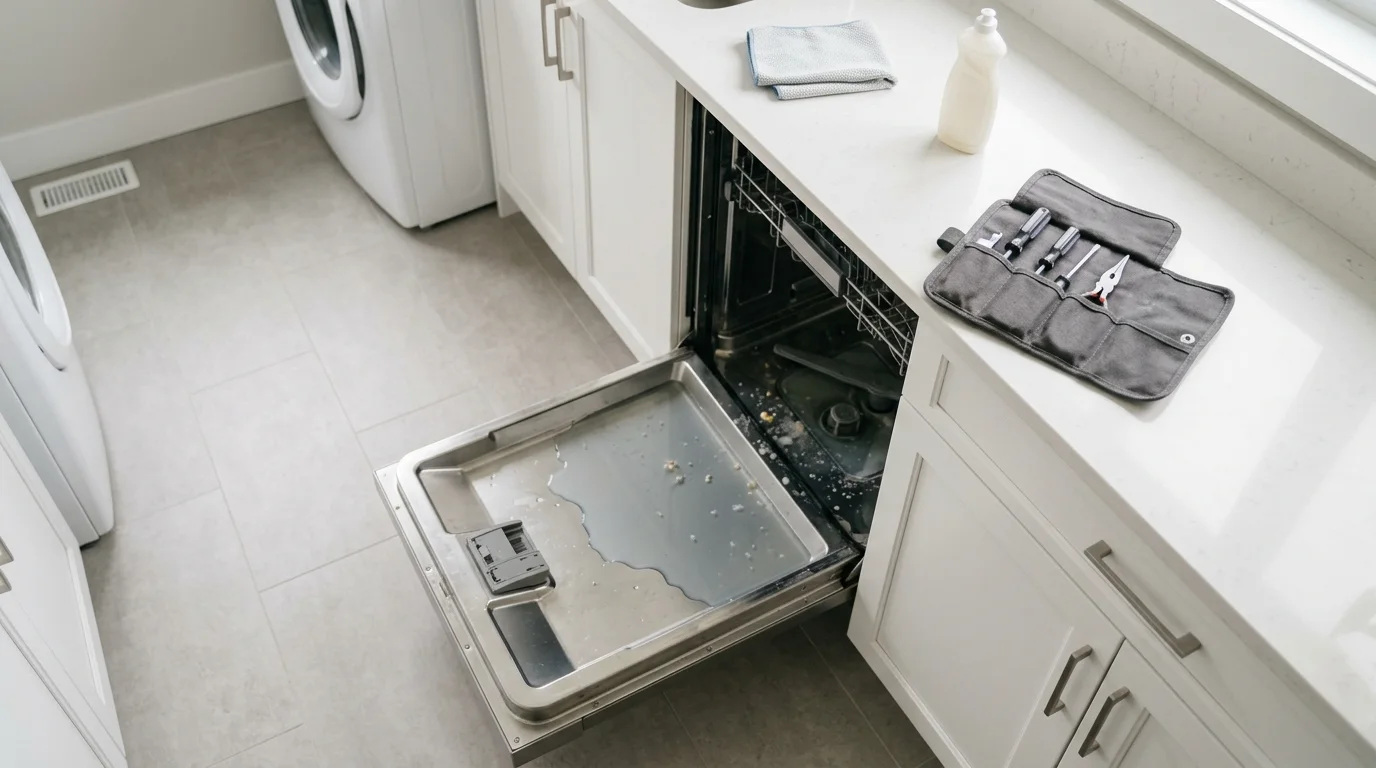
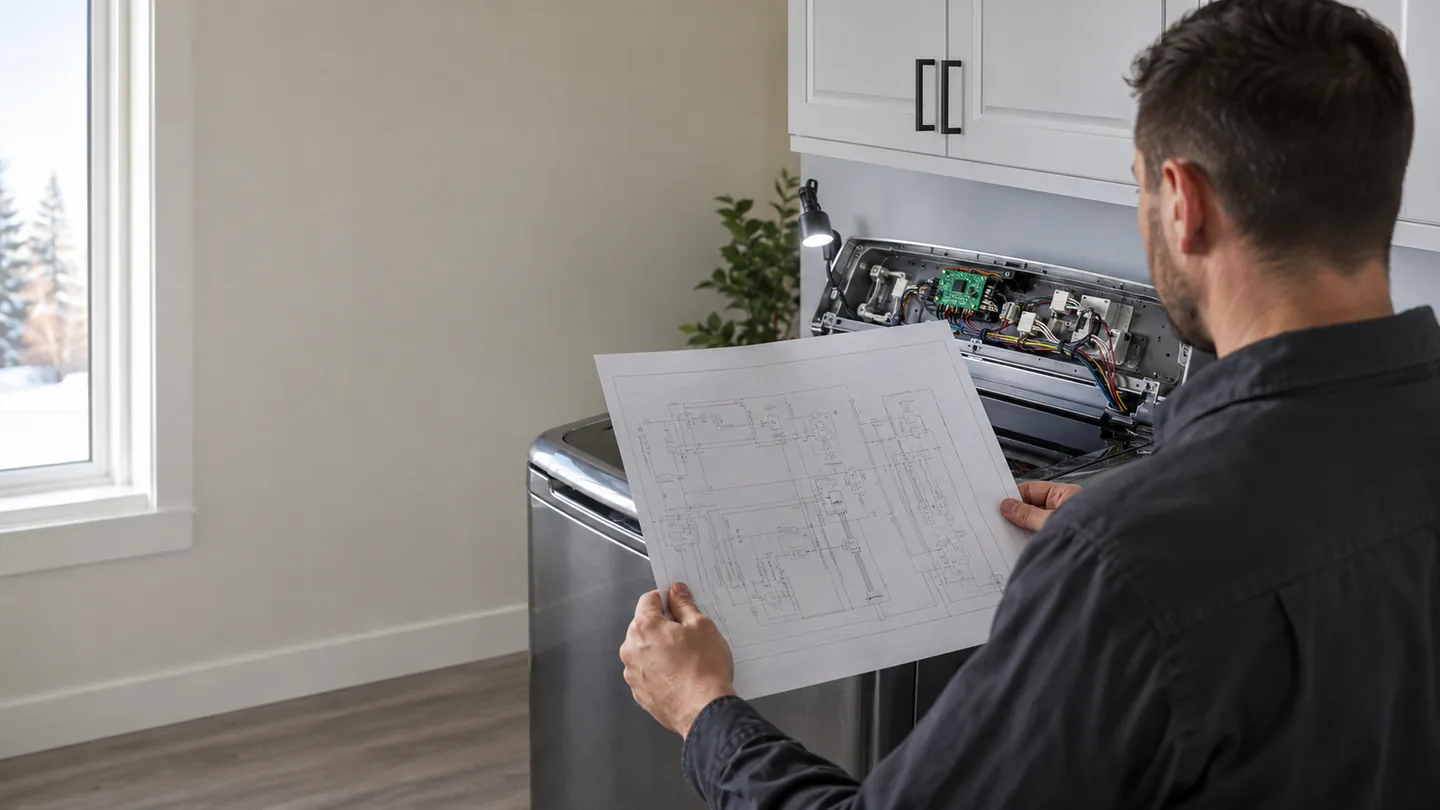
Appliance repair guide workspace with tools and maintenance notes
Start with the symptom

Use the Guide That Matches What the Appliance Is Doing

A useful troubleshooting path begins with the symptom you can actually observe. Whether an appliance is not draining, not cooling, not heating, leaking, making a new noise or showing an error code, record the exact behaviour before resetting controls or moving equipment. That detail is often more useful than guessing which part has failed.

Laundry and drainage problems

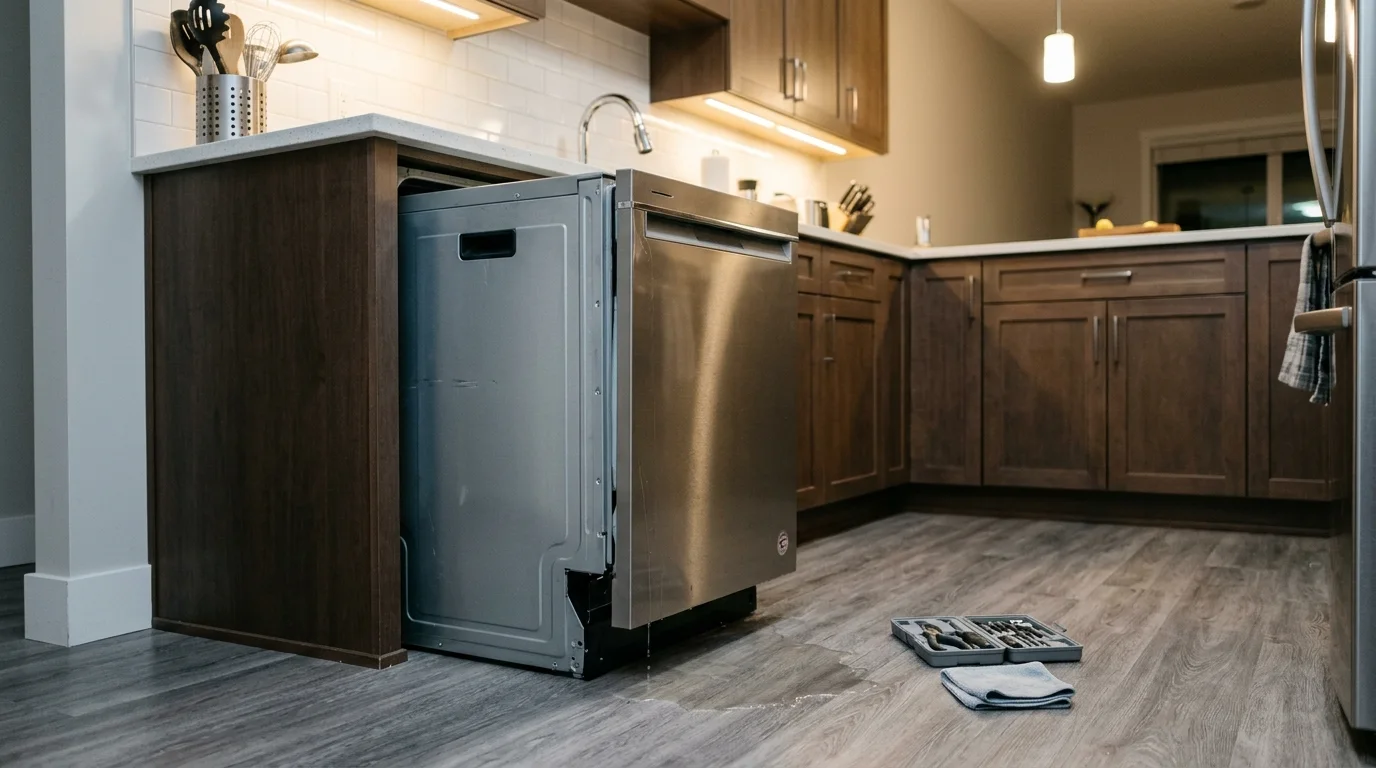
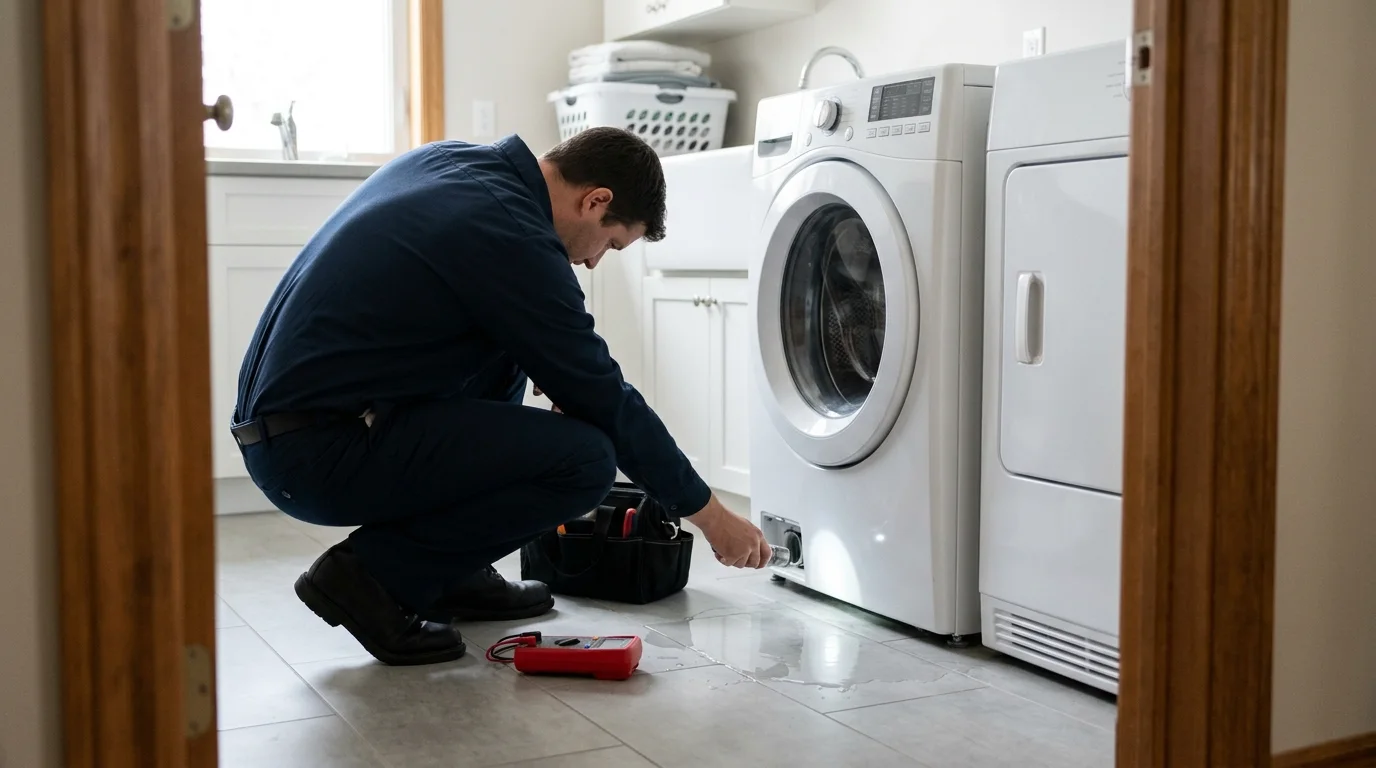
For washers and dryers, note the cycle stage, whether water remains, whether the drum turns, whether heat is present and any exact error code. Stacked or enclosed units should be photographed from far enough back to show access.

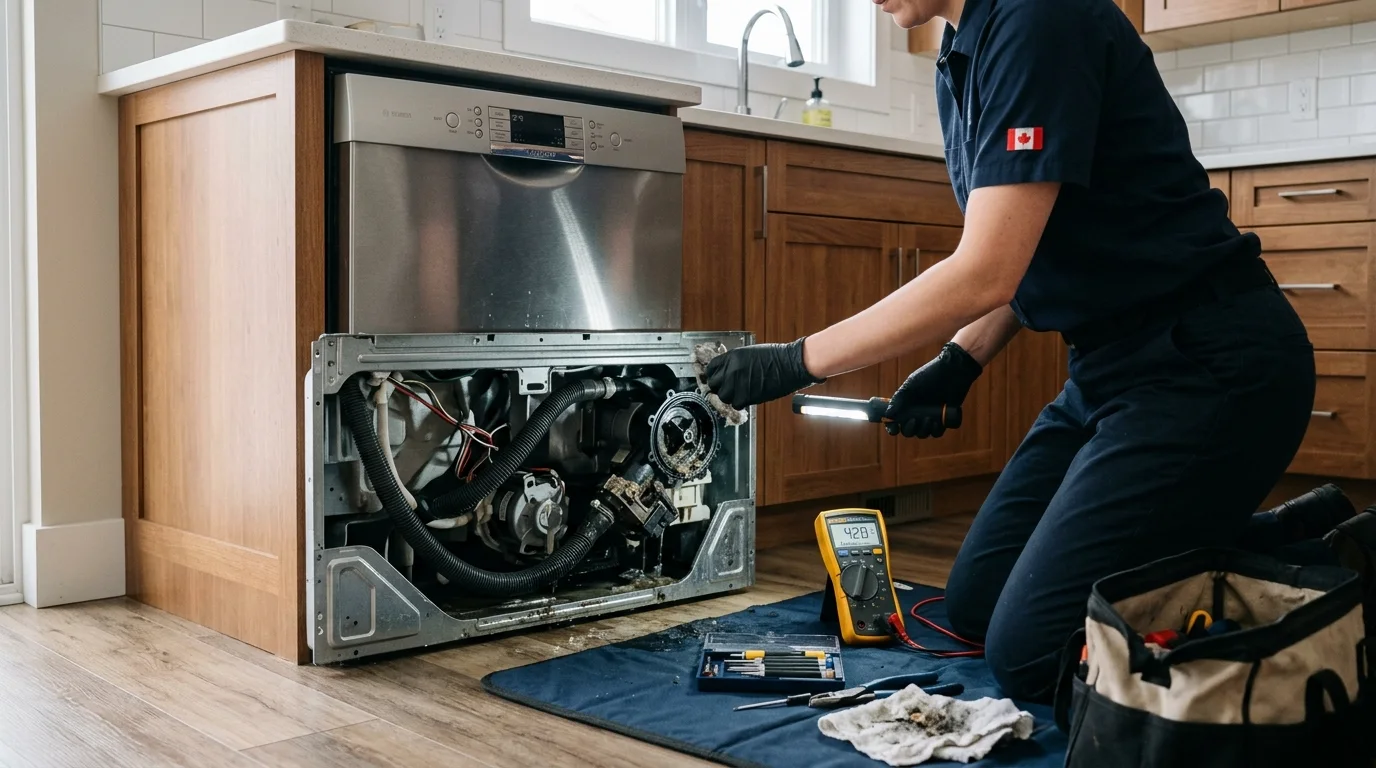
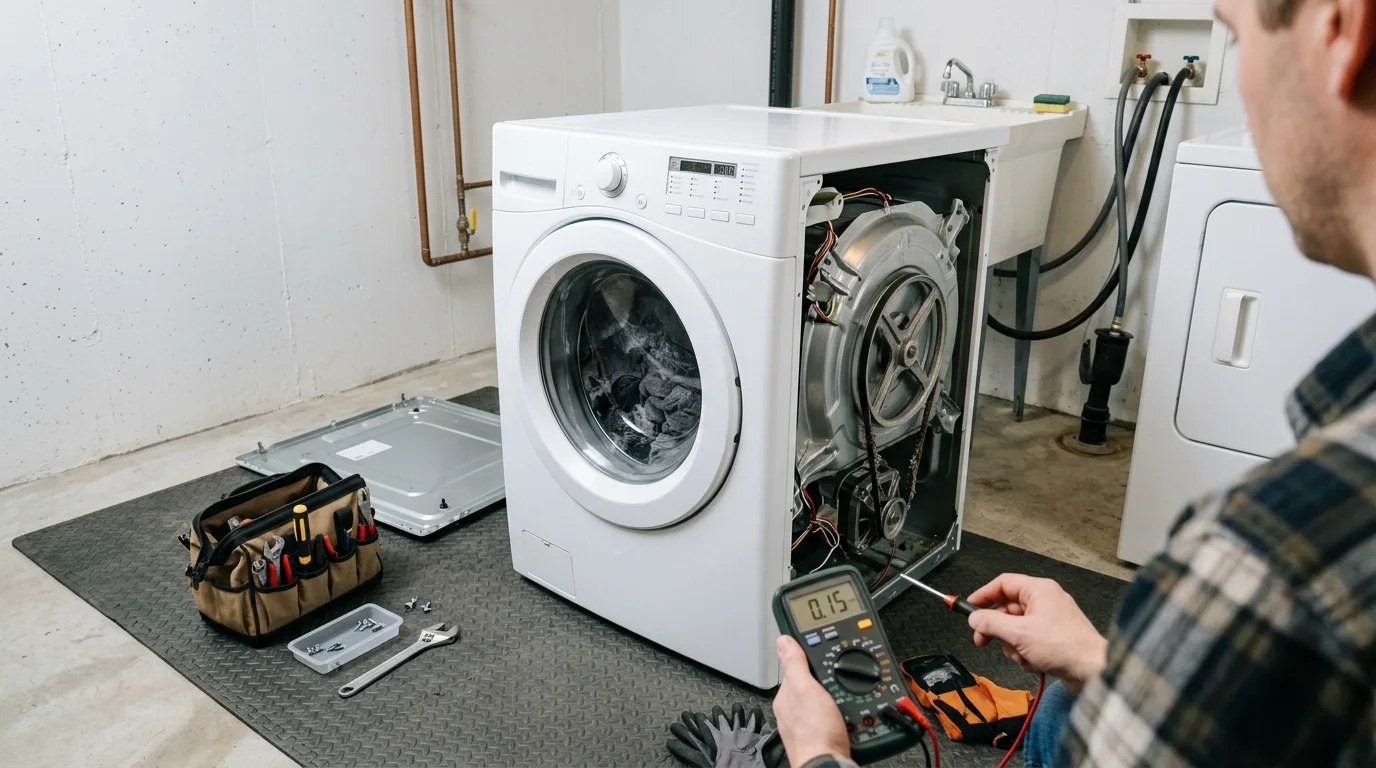
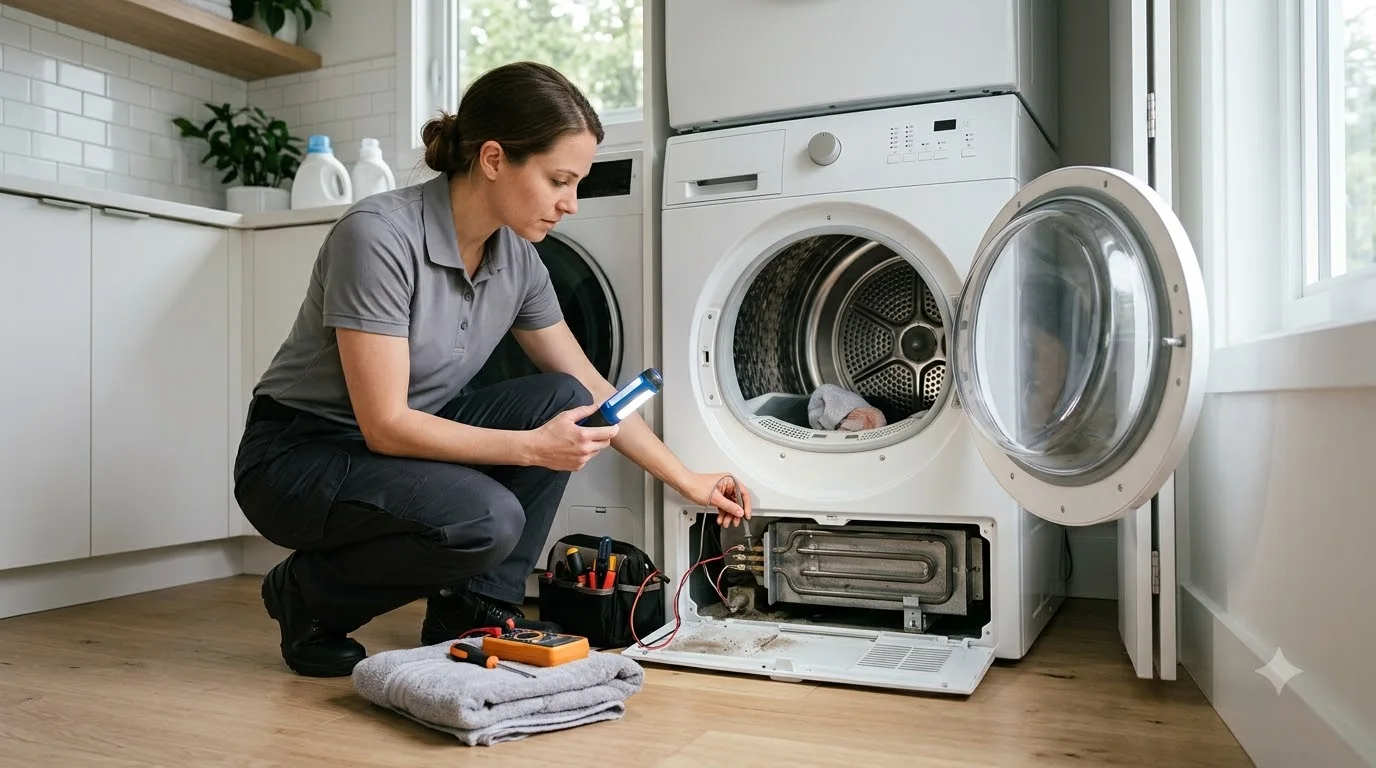
Washer and dryer repair
Cooling and frost problems

For refrigerators and freezers, describe which compartment is affected, whether the compressor or fans can be heard, whether frost is building up and whether food temperatures changed suddenly or gradually.

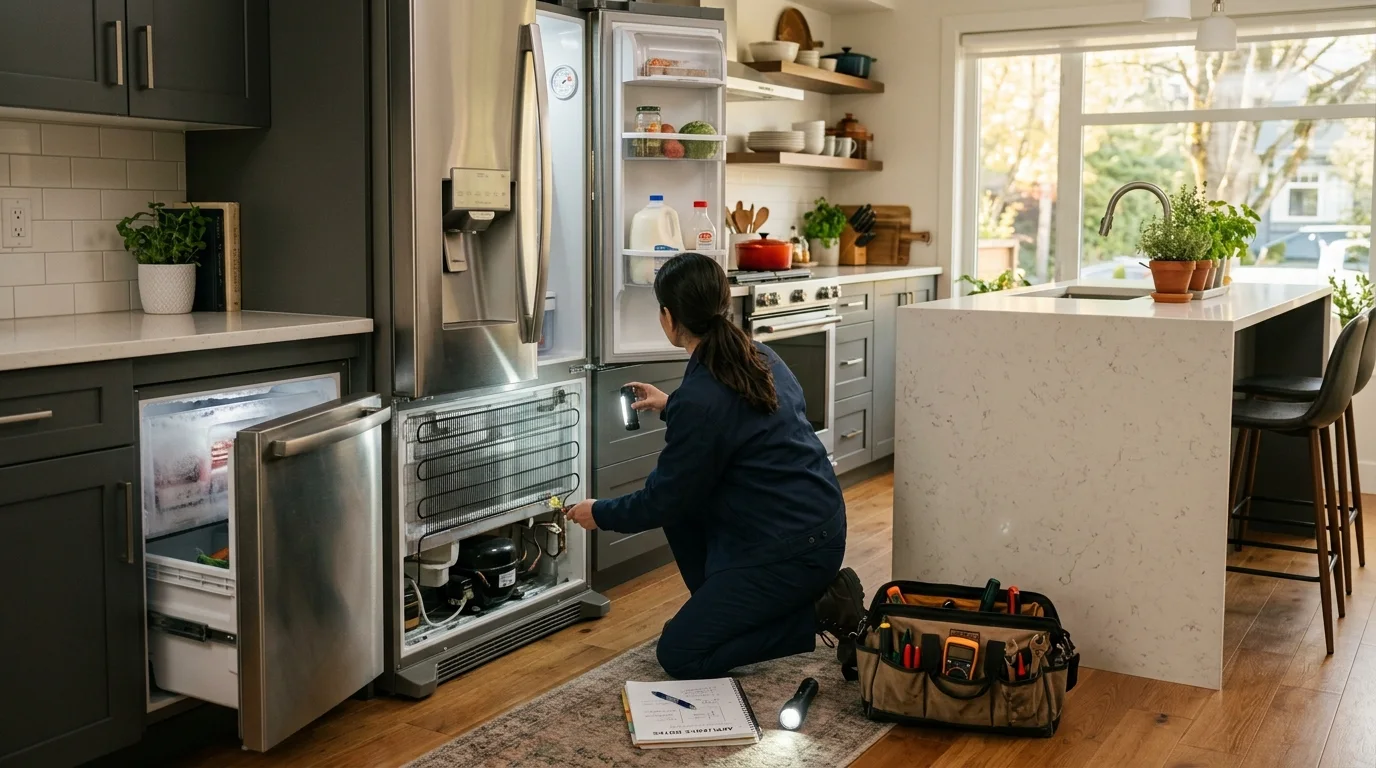
Refrigerator repair

Heating, ignition and cooking problems

For ovens, stoves and gas cooking appliances, record which element or burner is affected, whether ignition is attempted and whether a display code appears. Suspected active gas leaks require immediate safety action rather than online troubleshooting.

Oven repair details
Latest practical guides

Browse Appliance Repair and Maintenance Articles

Articles are organized around real homeowner questions: what a symptom may mean, what information is worth collecting, which checks are reasonable and when the next step should be professional diagnosis rather than more DIY troubleshooting.

Repair or replacement

Use Diagnosis, Age and Full Cost Together

An appliance should not be replaced simply because it is old, and it should not be repaired automatically simply because a single part can be replaced. A useful decision weighs the diagnosis, appliance age, overall condition, parts availability, installation complexity, expected remaining life and the full cost of replacement.

For built-in appliances, stacked laundry and equipment with water, gas or ventilation connections, replacement can also involve cabinetry, access, connection changes or removal work that is not obvious from the retail price alone.

Know the safety boundary

Some Symptoms Should Not Be Troubleshot Online

Stop using equipment when continued operation could create a safety risk or worsen property damage. Do not disassemble energized appliances, bypass safety devices or keep operating equipment that is actively leaking water, overheating, smoking or producing an electrical burning smell.

If you smell natural gas or suspect an active gas leak, leave the area immediately and follow Ontario emergency gas-safety guidance from a safe location. Do not wait for a website response before taking safety action.

Have the model and symptoms?

Request Appliance Repair or Installation

Send the appliance, problem or installation goal, service address, access details and optional photos so the request can be reviewed before scheduling.

Start Your Request
Request Repair or Installation